


Stone Lanterns: Blending Past and Present, Crafting Scenic Charm
Stone lanterns first originated in the Han Dynasty of China, initially serving as Buddhist lamp stands in temples. Later, they were introduced to Japan and widely used in shrines and ancient temples as religious utensils. In the early stage, they mainly protected flames from wind and rain, keeping the lights burning permanently, symbolizing the permanence of Buddhism and sacred brightness, and guiding believers.With the development of tea ceremony culture, stone lanterns entered private courtyards and became essential decorations for Zen-style gardens and dry landscapes. They are usually placed beside paths, waterscapes and green plants to create a quiet and ethereal Zen atmosphere. In modern times, most stone lanterns are equipped with LED light sources, realizing outdoor lighting and path guidance. Meanwhile, they are regarded as feng shui ornaments with the implied meaning of house protection, widely suitable for courtyards, homestays and scenic spots.
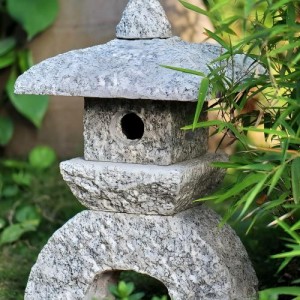
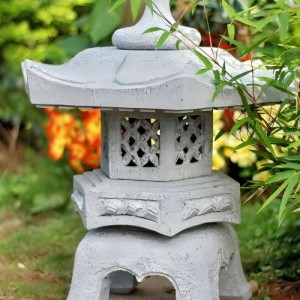
Main Materials and Characteristics:Granite is the mainstream material for stone lanterns, including bluestone, grey granite and white granite. It features high hardness, strong weather resistance, corrosion resistance and wear resistance, with a natural rough texture and long service life for outdoor use.Bluestone and sandstone have delicate and soft textures, easy for hollow carving and fine craftsmanship. After long-term outdoor placement, they will form natural patina with a simple and antique sense, which are commonly applied in antique gardens and traditional Chinese architecture. A small number of decorative styles adopt matched metal and wood accessories, while natural stone is still the main body to ensure stability and durability.
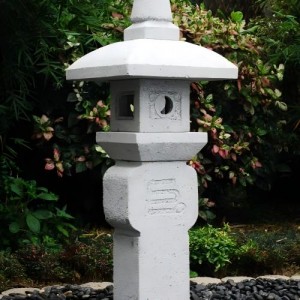
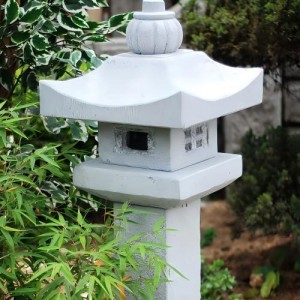
Comprehensive Value:In terms of practical value, stone lanterns are stable in structure, waterproof and sun-proof, requiring low maintenance and long service life. They integrate lighting and decoration, adapting to complex outdoor environments.For aesthetic value, diverse shapes conform to Eastern aesthetic standards. The hollow design softens light and casts layered shadows at night, blending with natural scenery to enhance the artistic conception and hierarchical sense of the space.Culturally, its structure contains traditional Eastern philosophy, reflecting the idea of harmony between man and nature. It is also an important carrier of wabi-sabi and Zen culture, inheriting the traditional garden civilization. In terms of craft and collection value, traditional stone lanterns are made through multiple manual processes such as carving and polishing. Exquisitely carved products embody craftsman spirit and have high appreciation and inheritance value.
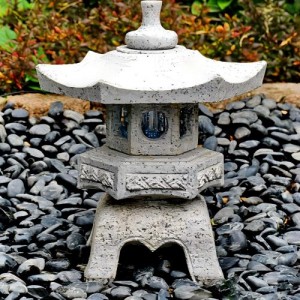
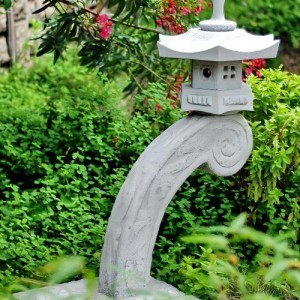
After thousands of years of evolution, stone lanterns have developed from single religious appliances into landscape artworks combining practicality and aesthetics. Combining solid stone texture with soft light, they integrate natural texture and humanistic heritage. They not only carry traditional folk customs and Zen culture, but also meet the needs of modern landscape design. As a typical classic element in Eastern gardens, they fully interpret the simple, quiet and natural oriental life aesthetics.
Written by Daphne Zhang
Post time: Apr-28-2026