


For centuries, marble has been the medium of choice for master sculptors—from Michelangelo’s David to modern abstract pieces. What makes this stone so beloved? Its unique properties make it a dream to work with and a joy to behold.
Perfect Workability
Marble strikes a rare balance: it’s soft enough to carve with precision yet hard enough to hold intricate details. Unlike brittle stones like granite, marble allows sculptors to create flowing curves, delicate facial features, and even thin, lifelike drapery. Its fine grain ensures smooth finishes, letting artists shape every nuance of their vision.
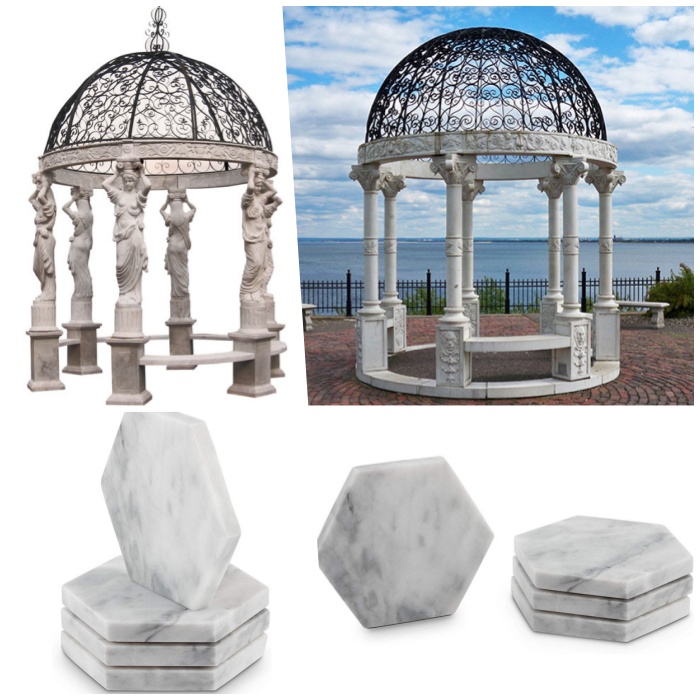
Timeless Beauty of Veins
Each block of marble carries natural veining—swirls of gray, gold, or pink formed by mineral deposits over millions of years. These patterns aren’t flaws; they’re nature’s artwork. Sculptors often embrace the veins, integrating them into the design: a vein might mimic a lock of hair in a portrait or a wave in a seascape, making every piece one-of-a-kind.
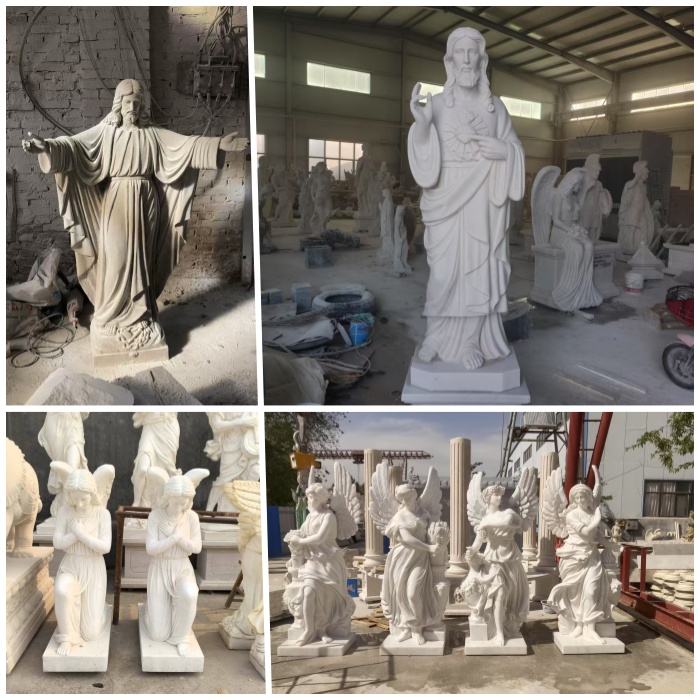
Durability That Lasts Millennia
Marble withstands the test of time. Unlike wood (prone to rot) or metal (susceptible to rust), marble resists weathering and erosion, making it ideal for both indoor masterpieces and outdoor monuments. Many ancient marble sculptures still stand today, a testament to its longevity.
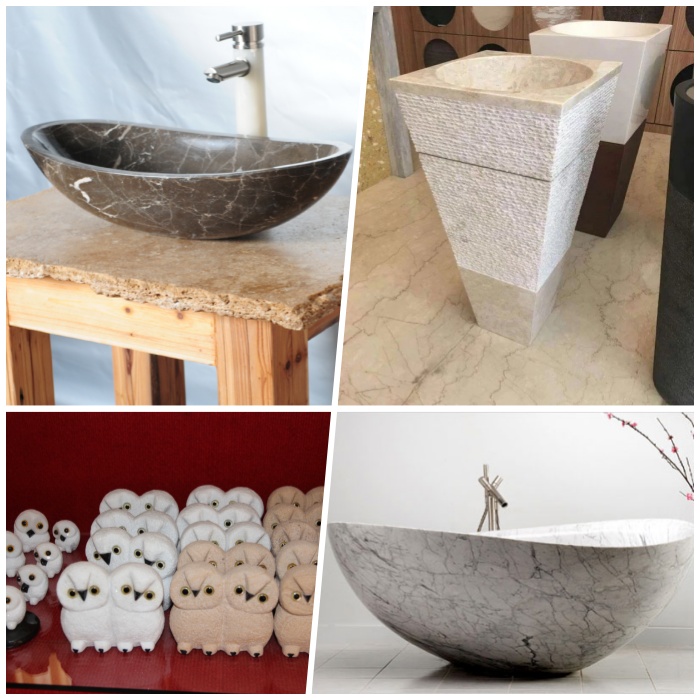
Light-Reflective Qualities
Marble’s polished surface catches light in a way that mimics human skin, giving sculptures a lifelike, almost glowing quality. This luminosity adds depth and realism, whether the piece is a classical figure or a contemporary abstract form. It’s why marble statues feel alive, even when carved from cold stone.
From the workshops of Renaissance masters to today’s studios, marble remains unrivaled. Its blend of workability, beauty, and durability isn’t just a coincidence—it’s why this stone continues to shape art history.

Written By Wendy Lin
Post time: Jul-30-2025