


Specifying a stone lantern for a landscape project appears straightforward — select a form, choose a stone, place it outdoors. The upfront material cost, however, tells only a fraction of the story. In stone lanterns, the cheaper option often becomes the expensive one over time.
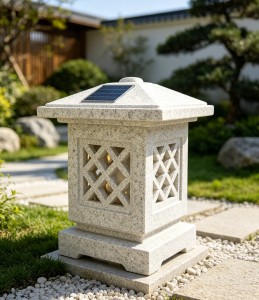
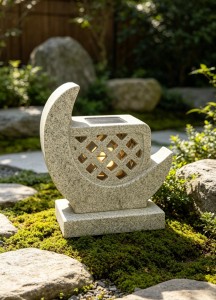
Budget stones such as limestone and sandstone carry lower cubic-metre prices. They also carry water absorption rates typically between 2% and 10%. In any climate where temperatures drop below freezing, that absorbed moisture becomes a destructive force. Water expands inside the stone, micro-cracks widen, edges spall, and carved details soften into shapeless contours. Within five to ten years, what looked like a prudent saving becomes a weathered liability requiring replacement.
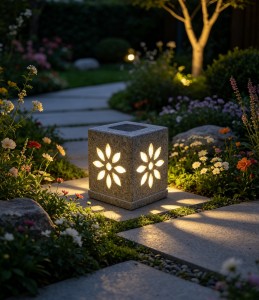
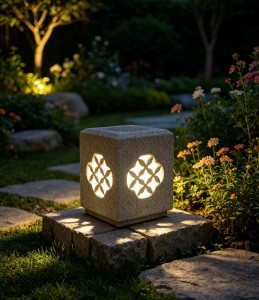
Granite begins with a different set of numbers. Water absorption sits below 0.4% in fine-grained varieties, rendering freeze-thaw damage a non-issue. Compressive strength routinely exceeds 150 MPa, resisting accidental impact without chipping. UV radiation — the silent bleacher of softer stones — has no effect. A granite lantern installed today will hold its chamfered edges, its incised lines, and its surface finish for decades.
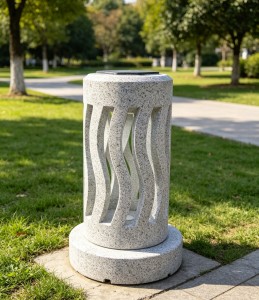
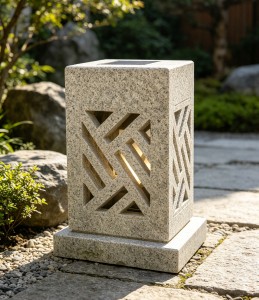
Then there is the maintenance ledger. Soft stones demand periodic sealing and careful monitoring. Granite asks for an occasional wash. Over a 20-year commercial landscape maintenance cycle, that difference translates into measurable cost.
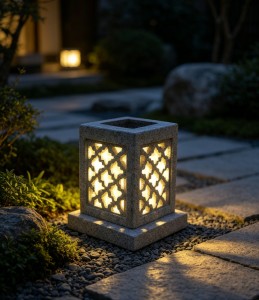
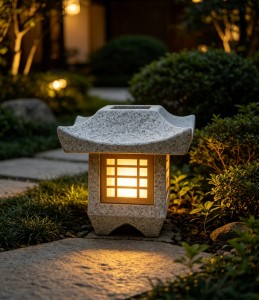
The calculation is straightforward: a stone lantern specified in cheaper material may need to be purchased twice. Granite settles the bill once.
Written By Clara Luo.
Post time: May-09-2026