


You may have experienced this before: a full container of carved stone planters clears customs without issue, yet a few palm-sized slate or quartzite samples get held up. This is not an isolated case. In recent years, China has steadily tightened export controls on natural raw stone and mineral products, and samples that "look too natural" fall precisely into the grey zone between regulatory control and normal trade.
Why Samples Are More Likely to Be Inspected Than Finished Products
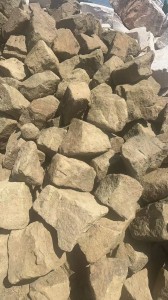
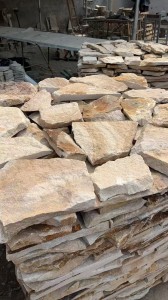
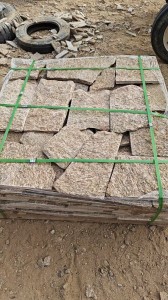
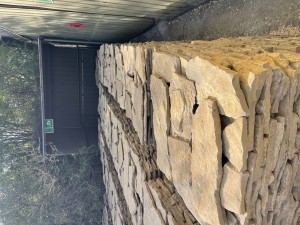
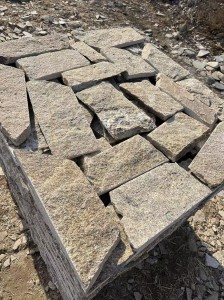
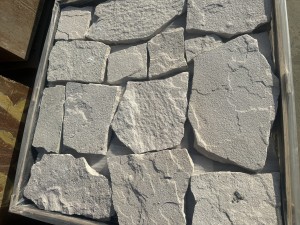
The processing marks on a finished carving are unmistakable. A granite planter has a regular silhouette and a surface that has been polished or flamed — it is clearly an industrial product. Samples are different. Many buyers want to see the truest colour and texture of the stone, so they ask for raw slices that are unprocessed or only lightly trimmed. These slices look very much like material straight from the quarry, and during customs inspection they can easily be classified as "raw ore." Once classified as raw ore, they are no longer subject to the standard export process for decorative stone, but to far stricter mineral product regulations. Quartz samples require particular attention — quartz ore is treated as a high-priority material in the regulatory system, and even when it is intended purely as a display sample for decorative stone, its legal origin and compliant use must still be demonstrated.
What Has Changed in Practice
Sending samples used to be simple — an ordinary international courier and a single form were all it took. The situation is different now: courier companies may refuse stone samples with sensitive product descriptions outright; some samples require processing statements, declarations of use, or even composition test reports; and clearance times have stretched from a few days to one or two weeks, sometimes longer. These changes are outside the supplier's control, but they directly affect how quickly samples reach you.
The Impact on Your Sourcing Timeline
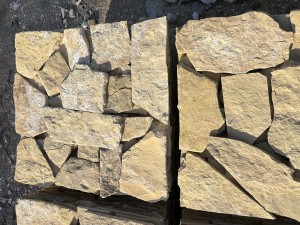
Slower samples mean more time before you can confirm colours. During the wait, you can use high-definition video and photos for initial screening. Ask your supplier for multi-angle shots in natural light, including a wet-and-dry comparison. This reduces the empty waiting period and helps the final confirmation stage move faster once the samples arrive.
Checking Lead Times in Advance
Before requesting samples, it is worth confirming with your supplier how long sample shipping is currently taking. The enforcement of China's export policies varies from period to period, and suppliers usually have more up-to-date information. At certain times, a supplier may recommend sending lightly polished sample pieces instead — these clear customs more smoothly, and their colour and texture are accurate enough for most sourcing decisions. If the samples you receive have been polished, note that the colour will usually appear closer to the finished product than a raw surface would, which is worth keeping in mind when confirming shades.
Understanding these changes allows you to plan your sourcing schedule with more confidence, so a sample delay does not disrupt your entire purchasing plan.
Written By Clara Luo
Post time: Aug-21-2026