


In Nanjing, the ancient capital of China, river pebbles are far more than ordinary stones; they are a natural and practical element woven into the city’s landscape and daily life, valued for their smooth texture, durability, and connection to the Yangtze River’s ecology.
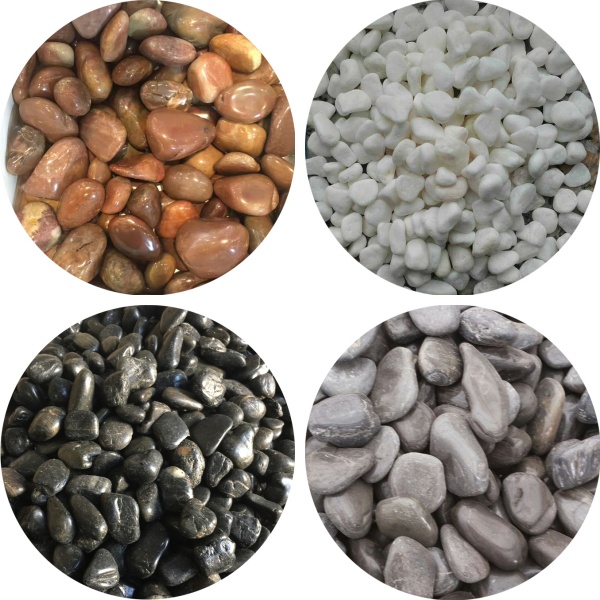
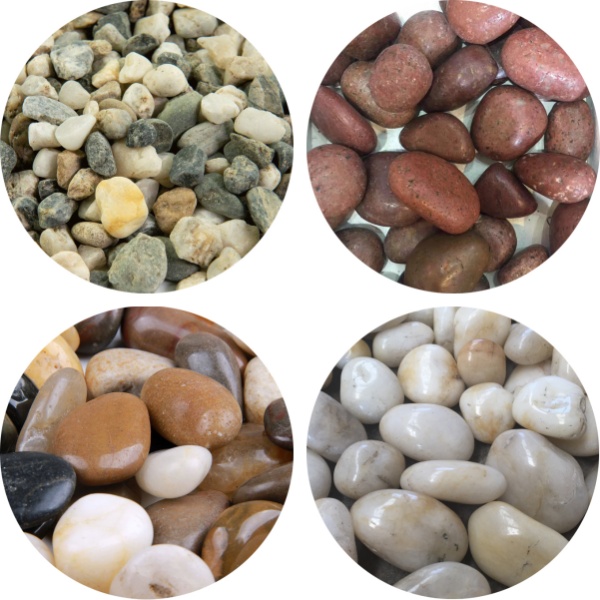
Formed over thousands of years, these pebbles originate from various rock formations along the Yangtze River basin. Rocks eroded from mountainous areas are carried by the river’s current, gradually smoothed and rounded by constant water impact and friction. They come in neutral hues like gray, brown, black, and off-white, with simple, natural textures that reflect their long journey through water. Unlike rare ornamental stones, Nanjing’s river pebbles are widely distributed along the Yangtze banks, and locals often gather them casually after floods or from shallow riverbeds for daily use.
Today, they are closely integrated into urban life and infrastructure. In Qinhuai District’s Luolangxiang Pocket Park, river pebbles line paths and cover drainage channels, serving as non-slip pavement and natural decor that blends with greenery. They also play a role in daily and educational scenarios: “Mars Tribe” parent-child camps in Liuhe organize pebble-collecting activities to teach kids about river erosion and environmental protection, while schools use them for hands-on geology lessons about rock formation. “I’ve picked up river pebbles since I was a kid,” said Nanjing resident Chen Wei. “They’re simple but special—each one’s shape tells a story of the Yangtze’s power. They’re little pieces of nature I can keep.”
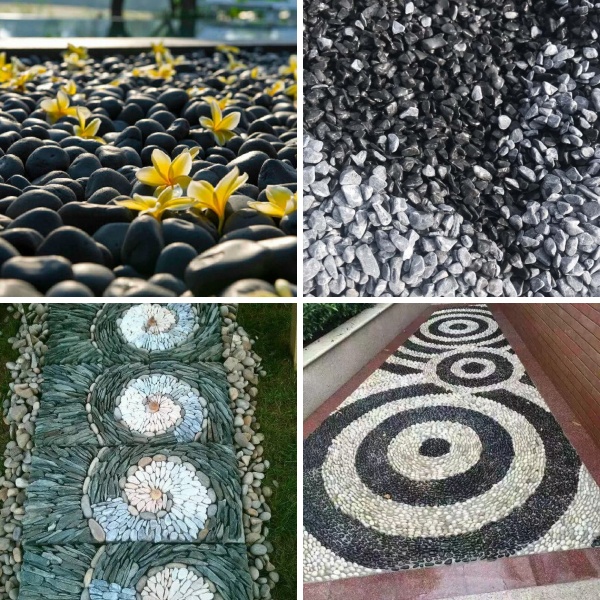
Rooted in the city’s long relationship with the Yangtze River, Nanjing’s river pebbles have been used by locals for centuries—as building materials, garden decorations, and even simple tools. They remain a down-to-earth treasure of the city, linking nature, daily life, and community.
Post time: Oct-31-2025