


We walk on them, decorate with them, and even collect them—but have you ever stopped to wonder how those smooth, colorful pebbles end up in our gardens, beaches, or trails? Their journey is way more fascinating than you think! Let’s break it down:
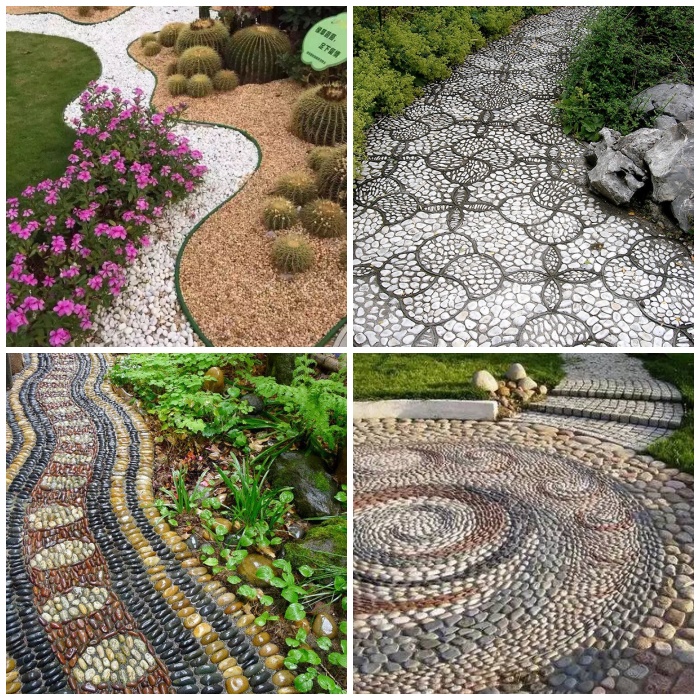
1. Nature’s “Polishing” Machine: Water
Rivers & Streams: It all starts with big rocks (like granite or limestone) broken into smaller pieces by rain, wind, or frost. As these rock fragments flow downstream, fast-moving water crashes them against each other and riverbeds. Over hundreds or thousands of years, sharp edges get worn down into smooth pebbles.
Oceans & Lakes: Wave action does the same magic! Coastal pebbles are often rounder (thanks to constant tumbling in saltwater) and may have unique colors from minerals in ocean sediment.
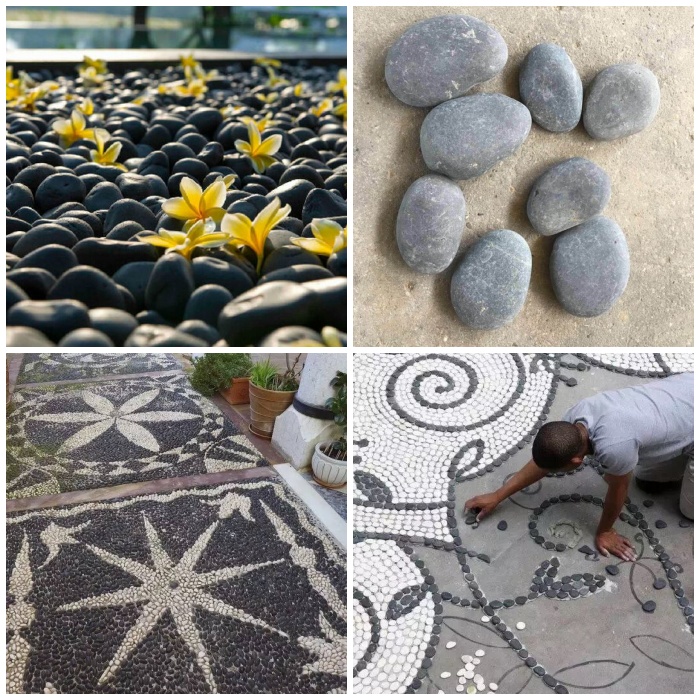
2. The Slow Power of Wind & Ice
Deserts: In dry regions, wind picks up tiny rock bits and hurls them against larger stones. This “sandblasting” effect gradually shapes rough rocks into small, smooth pebbles—often with a matte finish (no water to add shine here!).
Glaciers: When glaciers move, they scrape and carry huge boulders. As the ice melts, these boulders crash into each other, breaking into smaller pieces that later get polished by rivers or lakes into pebbles.
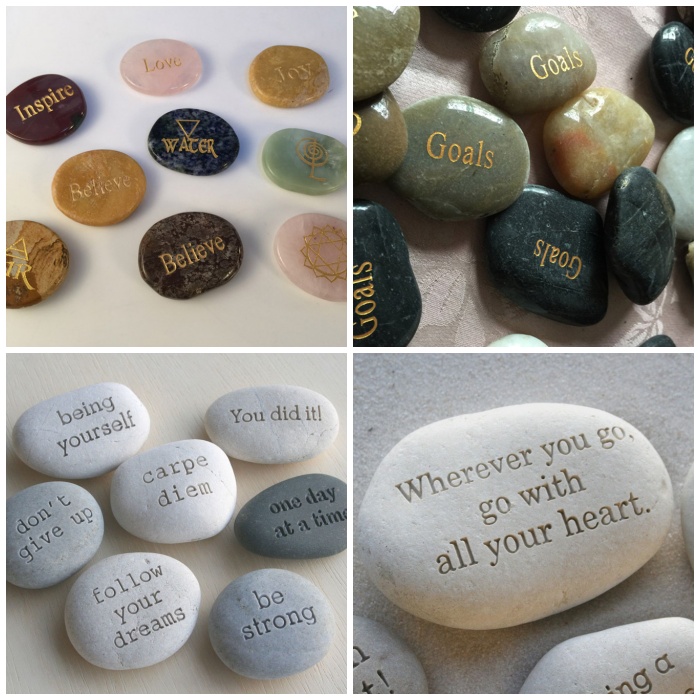
3. Volcanic & Mineral Magic
Some pebbles have extra flair! Volcanic pebbles (like basalt) form when lava cools and breaks apart over time. Others, like agate or jasper pebbles, get their vibrant stripes or spots from minerals that seep into rock cracks before they’re smoothed by nature.

Written By Wendy Lin
Post time: Sep-10-2025