


Your garden is your outdoor canvas, but rules often apply to what you can add. When it comes to stone decorations, many options stay on the right side of regulations—here’s what you need to know.
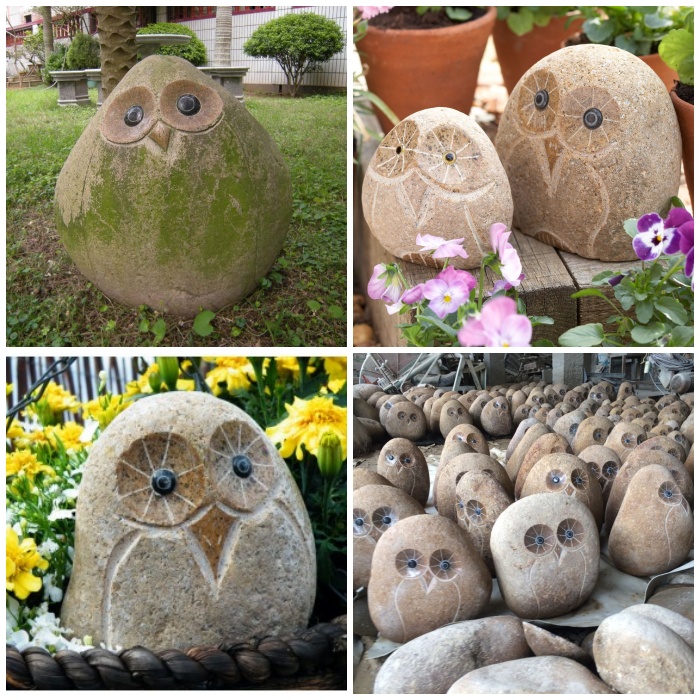
Small-Scale Stone Features (Usually Permitted)
Most local laws allow low-impact stone decor without needing permits. Think:
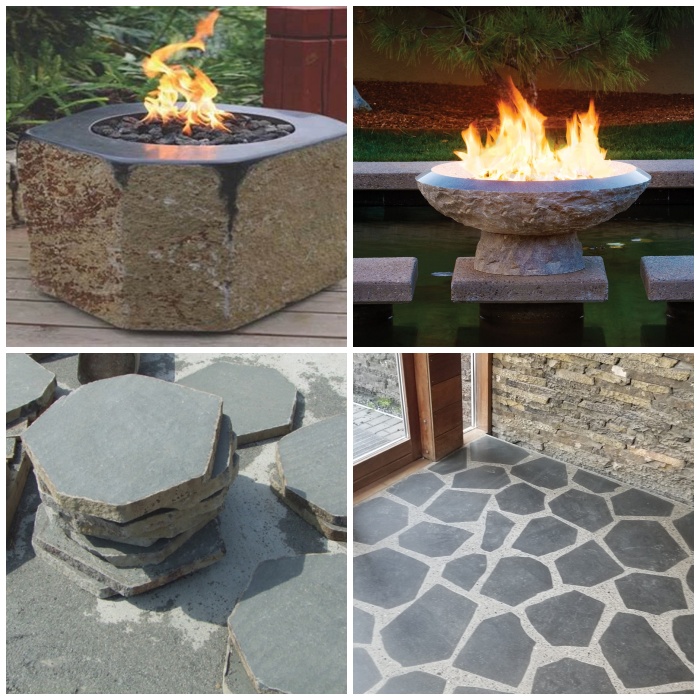
- Stone pathways: Flagstones or river rocks laid to create walkways (keep them under a certain height, often 3–6 inches).
- Rock gardens: Arrangements of boulders, pebbles, or stone clusters to add texture—perfect for xeriscaping.
- Stone planters: Handcrafted or repurposed stone vessels for flowers or herbs; just ensure they’re not permanently fixed to the ground.
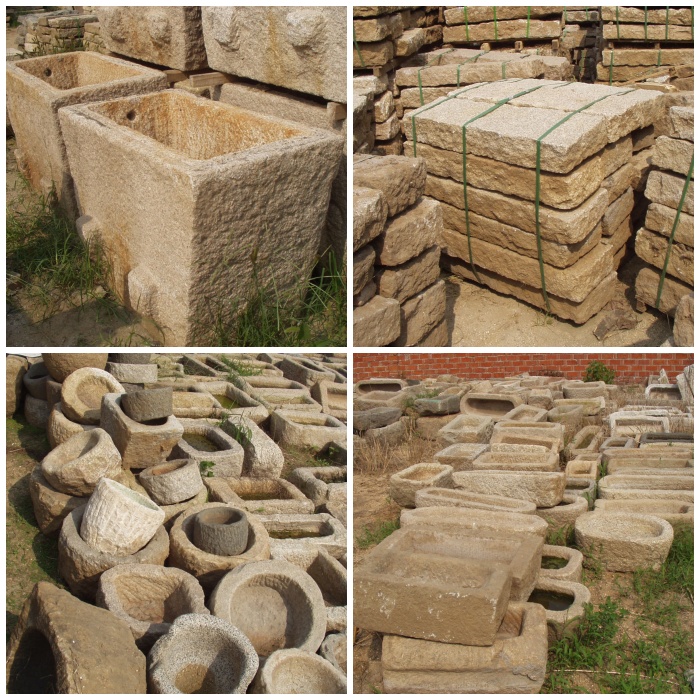
Larger Stone Structures (Check Local Rules)
Bigger projects may require approval, but stone’s durability makes them worthwhile:
- Stone walls: Low retaining walls (under 3 feet) often skip permits, but taller ones might need engineering checks to prevent erosion.
- Stone fire pits: Many areas allow them if they’re a safe distance from buildings/trees and use non-flammable stone (like granite or sandstone).
- Stone statues or fountains: Oversized pieces might face height restrictions, especially in heritage zones—verify before installing.
Why Stone Works for Garden Builds
Stone’s natural resilience fits garden environments: it withstands weather, complements greenery, and rarely disrupts drainage (unlike concrete). Plus, its neutral tones blend with any style, from cottage gardens to modern landscapes.
Before digging in, check your local council’s guidelines—then let stone turn your garden into a durable, stunning retreat. Nature’s building block never goes out of style!

Written By Wendy Lin
Post time: Jul-28-2025