


It’s not just artistry; it’s all in the stone’s superpowers. Let’s break down the science behind their durability:
1 Dense, Non-Porous Structure
Marble forms deep underground when limestone is heated and pressured. This process squeezes out tiny pores, making it resistant to water, mold, and stains. Unlike softer stones that absorb moisture (and crack in freezes!), marble repels liquids—keeping that lion or deer statue intact for generations.

2 Resistance to Wear & Tear
Marble’s hardness (it ranks 3-4 on the Mohs scale) means it won’t scratch easily from wind, rain, or even accidental bumps. Outdoor marble sculptures? They laugh off UV rays too—no fading, no chalking, just the same rich veining year after year.

3 Timeless Craftsmanship
Artists don’t just carve marble—they work with its strength. They avoid thin, fragile details that could break, focusing on solid shapes that leverage the stone’s natural sturdiness. Think of ancient Greek marble horses: their thick legs and compact bodies weren’t just style—they were built to last.
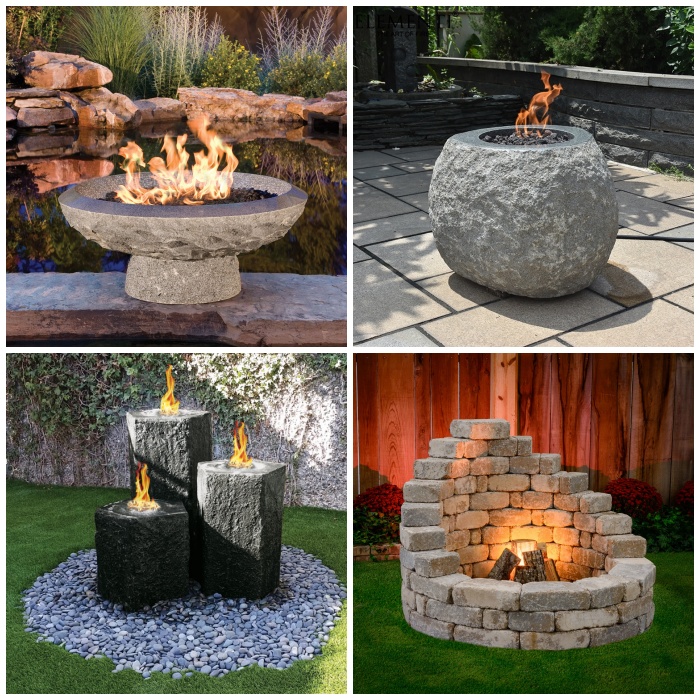
Look at the marble lions guarding historic buildings or the deer in old gardens—they’ve seen wars, weather, and decades of change, yet they still stand. That’s the magic of marble: it turns art into legacy.

Written By Wendy Lin
Post time: Sep-17-2025