


A long-standing client will occasionally ask: why is the price for the same product different this year from last year? It is a fair question, and one worth answering clearly, because trust in a long-term business relationship rests on this kind of transparency. Here are the key factors, explained honestly.
At the Quarry: Supply Is Tightening
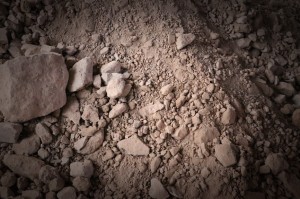
In recent years, China's major stone-producing regions have been undergoing a continuous overhaul of mining operations. Small, non-compliant quarries have been gradually shut down, and even permitted mines now face stricter extraction quotas. As a result, the supply of high-quality raw blocks is decreasing, and their price is rising. This is not a short-term fluctuation; it is a long-term trend. Within the same quarry, stone extracted from deeper strata is of better quality than surface material, but it also costs more to extract. As surface resources are progressively depleted, the cost of deeper extraction continues to climb. This means that even if all other conditions remained unchanged, the cost of premium raw blocks has been rising year on year.
Environmental Compliance Costs Are Increasing
Factories are investing more each year in dust control, water recycling, noise reduction, and other environmental measures. The water-curtain dust extractors in the carving workshops, the paving and greening of the factory grounds, the compliant disposal of waste material — the construction and daily operation of these environmental facilities represent new, non-negotiable fixed costs. This cost does not appear as a separate line on any invoice, but it is indeed spread across every piece that leaves the factory.
Exchange Rates and Freight: The Most Visible Variables
With every percentage point the RMB-USD exchange rate moves, the cost of goods priced in US dollars shifts accordingly. Ocean freight rates are influenced by seasonality, fuel prices, and supply and demand on shipping routes, and can vary dramatically between peak and off-peak seasons. These two variables lie outside a factory's control, yet they directly affect the landed cost. When exchange rates and freight costs move in an unfavourable direction at the same time, the resulting adjustment in a quoted price becomes quite noticeable.
Labour: An Irreversible Rise
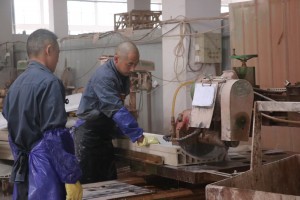
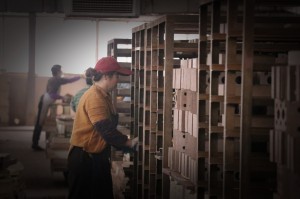
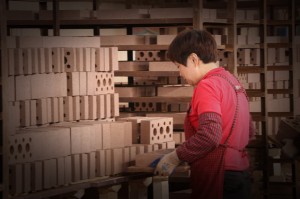
The stone carving industry relies on skilled craftsmen, yet younger generations show less and less willingness to enter the trade. An artisan capable of independently executing complex carvings requires many years of training. The scarcity of skilled hands drives up wages, and this trend is unlikely to reverse in the short term. Behind the price of every hand-carved piece lies an inherent respect for the craft itself.
A Price Adjustment Is Not Simply a "Price Increase"
If this year's quote is higher than last year's, it is typically because one or several of the factors above have changed. Conversely, if exchange rates ease and freight costs fall, quotations will adjust downward accordingly. At the same time, when the quality of the raw block is superior, the carving detail more demanding, or a new surface finish has been applied, the price may also change — this is more a product upgrade than a simple price increase.
The Stable Value of a Long-Term Partner
We understand that our clients pay close attention to price, and we constantly work to balance cost control with quality assurance. The hidden costs that a stable, long-term supplier can save you — reliability of delivery times, consistency of quality, responsiveness in resolving after-sales issues — often far outweigh the impact of a few percentage points' fluctuation on a quotation sheet. In the long run, what matters is trust and dependability. If you have any questions about a quotation, please feel free to contact us at any time for a detailed explanation. We are always willing to account transparently for where every dollar goes.
Written By Clara Luo.
Post time: Jul-23-2026