


Granite is prized for its toughness, but as temperatures drop, you might wonder: Can a granite bird bath survive freezing winters? Let’s break down the facts.
cracks.
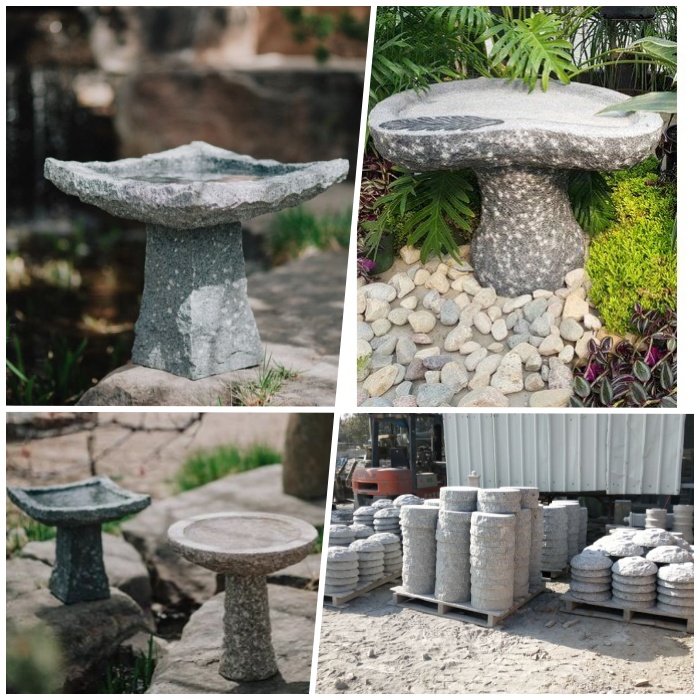
Granite’s Natural Resilience
Granite is one of the hardest natural stones, with a dense, non-porous structure. Unlike softer stones like limestone, it resists water absorption—critical in winter. When water freezes, it expands, but granite’s low porosity means less water seeps into its surface, reducing the risk of internal pressure that causes
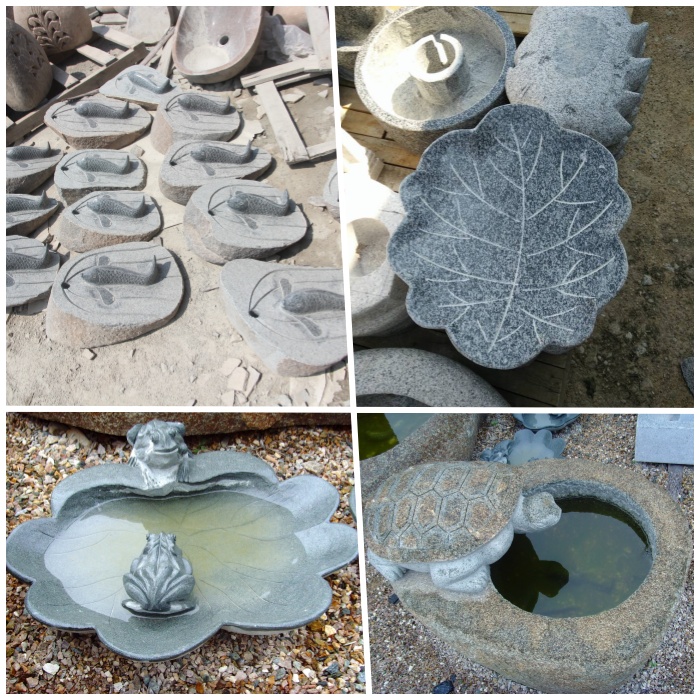
Potential Risks (And How to Avoid Them)
While granite is durable, extreme conditions can test it:
Standing water: If water in the basin freezes solid, repeated expansion and contraction could strain the stone over time. Drain the basin after each use or add a small heater to keep water liquid.
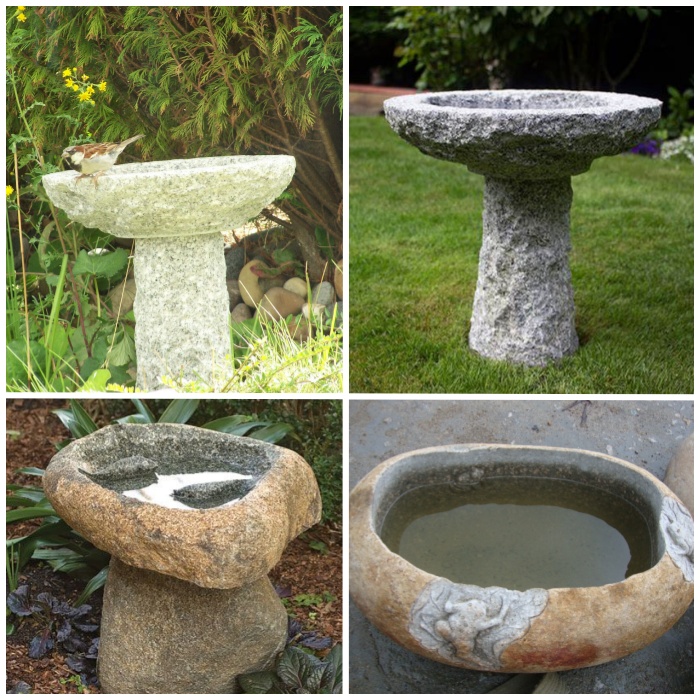
Sudden temperature swings: Rapid shifts from freezing to warm (e.g., sunny winter afternoons) can create stress. Position the bird bath in a shaded spot to minimize these fluctuations.
Heavy impacts: Ice buildup on nearby branches or falling debris might chip the surface. Clear snow and ice gently with a soft brush, not sharp tools.
Why Granite Still Tops the List
Compared to materials like concrete or ceramic, granite remains a smart choice for winter. Its resistance to frost damage outperforms most alternatives, and with simple maintenance, it can last for decades—even in harsh climates.
So, will your granite bird bath crack in winter? With a little care, it’s unlikely. This tough stone is built to weather the cold, keeping your feathered friends hydrated all season long.

Written By Wendy Lin
Post time: Aug-01-2025